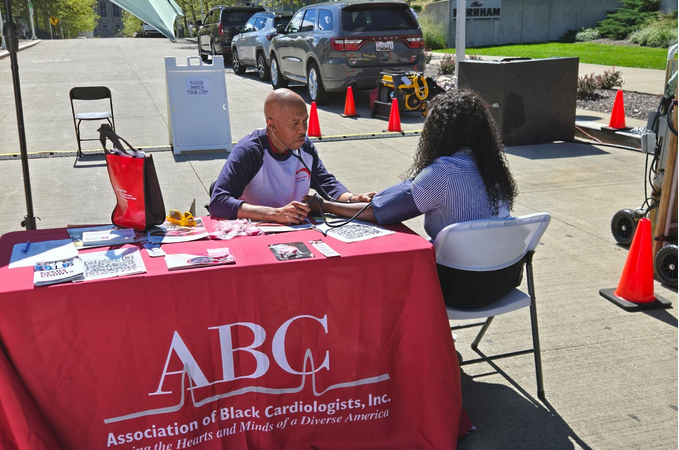
Across the United States, millions of people live in communities with little to no access to cardiovascular specialists. These areas—often referred to as cardiology deserts—are defined not by lack of need, but by the absence of cardiologists, specialty services, and timely care.
At the Association of Black Cardiologists’ 2025 Policy Pulse Summit, leaders emphasized that cardiology deserts are not isolated rural anomalies. They exist in rural regions, small towns, and urban neighborhoods alike, disproportionately affecting Black, Brown, low-income, and aging populations.
Without local access to cardiovascular care, patients face long travel distances, delayed diagnoses, fragmented follow-up, and worse outcomes. Preventable conditions progress into emergencies. Treatable disease becomes life-threatening.
Summit panelists highlighted that policy has not kept pace with reality. Unlike primary care shortages, cardiology shortages are not formally designated or tracked at the federal level—making the problem easier to ignore and harder to solve. ABC leaders called for targeted policy solutions, including recognition of cardiology shortage areas, permanent telehealth coverage, and investment in workforce pipelines that reflect the communities most affected.
Technology can help—but only if paired with access, broadband infrastructure, reimbursement reform, and community-based care models. As ABC President Dr. Anthony Fletcher noted, telehealth should expand options, not replace in-person care, and must be supported by policies that make access equitable and sustainable.
Cardiology deserts are not inevitable. They are the result of policy choices—and they can be addressed through intentional, equity-centered action.